


Planning an adventure? Follow These 6 steps to make planning a lot easier...
- Roger Jones

- Jan 13, 2020
- 8 min read
Often times, everyone wants to get out, experience something new or different, and break up the monotony of everyday life (hmm… seems like there is a bit of a theme behind my articles). Almost everyone has dreams and aspirations about getting away from their everyday stressors and leading a more adventurous and fulfilling life. The problem is: we have a basic idea of what we want to achieve during our trips or adventures, but we aren't quite sure about how to go about beginning our journey.
Believe it or not, many people cut themselves short when they are afforded the opportunity to travel, simply because they don't know how to plan their adventure. They may cut their journey short because they did not budget properly, or they may even miss many opportunities to see all of what their destination has to offer because of poor planning or a lack of research. A lack of preparation can spell disaster for any trip, leading to a less fulfilling experience.
In this article, we are going to discuss some important points to consider while planning your next adventure. These are all tips that my family utilizes before we embark on any extended trip, and have always served us well when traveling. While there is much more that CAN go into planning a journey, the following steps are fundamental to getting you started on your own path.
Step 1: Choose your destination(s)

Obviously, the first thing you should decide when planning an upcoming adventure should be the final destination, as well as the destinations along the way. It is very difficult to create a plan, of any kind, if you do not set a goal of where you want the plan to take you. Planning an adventure, a camping trip, or a vacation is no different; in order to prepare and ensure you have the best time possible, you should think of the details that tie to your destination.
Knowing your destination is VITAL to proper planning, and should be kept in mind at all times when planning your trip; obviously, you can't go on a camping trip in the middle of Manhattan, or go surfing in the middle of the Smokey Mountains. On a less obvious note, without knowing the final destination of your adventure, you can't possibly plan for fuel, lodging expenses, snacks for the road, or finances for certain local attractions.
Furthermore, when creating your plans, think about if you want to see one site and do one thing, or if there are any stops nearby you would like to make. If you are traveling out of the state, and you aren't afforded that opportunity often, then chances are that you want to take in as many sights and attractions as possible. Picking multiple attractions on your way to your final destination can help you create more stories and memories to share with your friends and family when you return home.
There are several possibilities when deciding your destination, and it all depends on what you want, and what is in your means.
Step 2: Plot a course

Now that you have chosen your destination, as well as any "side" destinations you may want to see, it's time to plot your course. This step is very important for three reasons:
Plotting your course and route can be very important when estimating travel expenses to your destination, as fuel expenses can be a very large part of your trip.
If you plan your route ahead of time, this will give you a good opportunity to plan your stops in a more efficient manner, assuming that there are multiple destinations you may want to see before the end of your trip.
Plotting a specific course, creating a travel schedule and itinerary, and sharing those plans with a friend or loved one can help ensure that if something goes wrong on your trip, SOMEONE knows where you may be and what your plans were; thus, if something does go wrong, you can be easily located.
Typically, when I am plotting the course for one of our family trips, I will use Google Maps. Google Maps is my favorite option for online maps because it is one of the most accurate avenues you may utilize, you can download the mapped route so that if you lose cell phone signal you will still be able to use GPS for the trip without any issues, and because you can add multiple locations to your route (making stops at different destinations more precise, in terms of fuel expenses and time constraints).
Step 3: Create an itinerary

Now that you have a list of destinations you would like to see, as well as a map to navigate to your destinations in the most time efficient manner (as well as for the purpose of ensuring that your loved ones know your route), it's time to create an itinerary for your trip. An itinerary is a plan for your journey, which doesn't only include WHERE you will be going, but also WHEN you will be doing key events. I typically keep my itineraries in a manila folder for the purpose of keeping a paper copy, just in case my phone has an unfortunate mishap (which happens more than I would like to admit).
Your itinerary should include:
A printed map of your full route and destinations while traveling to and from your final destination point; I keep a printed copy, like I said earlier, in case something goes wrong with my phone, and I need a map to refer to. A printed version of your Google Maps route works perfectly.
A time table, documenting what time you will be leaving your home, what time you expect to arrive at each destination, what time you plan on beginning your journey back home, and what time you plan on concluding your trip.
Emergency contact numbers for the location you will be staying while on your journey (if applicable).
While the thought of planning your full list of events during your trip may seem like it is taking away from the adventure experience you could have by "just winging it", planning a full itinerary can help save you a lot of headaches, and could possibly save your trip from ending in disappointment.
Step 4: Gather a list of supplies

No matter what trip or adventure you may embark upon, you are sure to need supplies, whether it is snacks for a road trip, camping equipment, or other items to make your trip more enjoyable. I always find that it is best to make a full list of the items you may need while traveling a couple of weeks in advance, in order to add or subtract necessary or unnecessary items.When thinking about the list of supplies you may need for your upcoming adventure, it's often easy to overlook some essential item that would make your trip more convenient. And oftentimes, if you are like me, unless it is on a list, there is a good probability that you are going to forget something.
When compiling your list, make sure to think outside of the box, and try to focus on things you might otherwise forget. Sometimes, once you begin your journey, it's too late to turn around and go back home to pick up what you neglected to remember. If you are embarking on a road trip or a camping trip, we actually recently published two articles that may help you form your list: "The Ultimate Road Trip Checklist…" and "The Ultimate Camping Checklist…".
Creating a list can be a simple, yet effective, method of ensuring that your adventure is much more enjoyable. Forgetting to grab a key item while you are preparing for your trip can be a minor nuisance, or even spell out disaster, once you reach your destination.
Step 5: Calculate costs
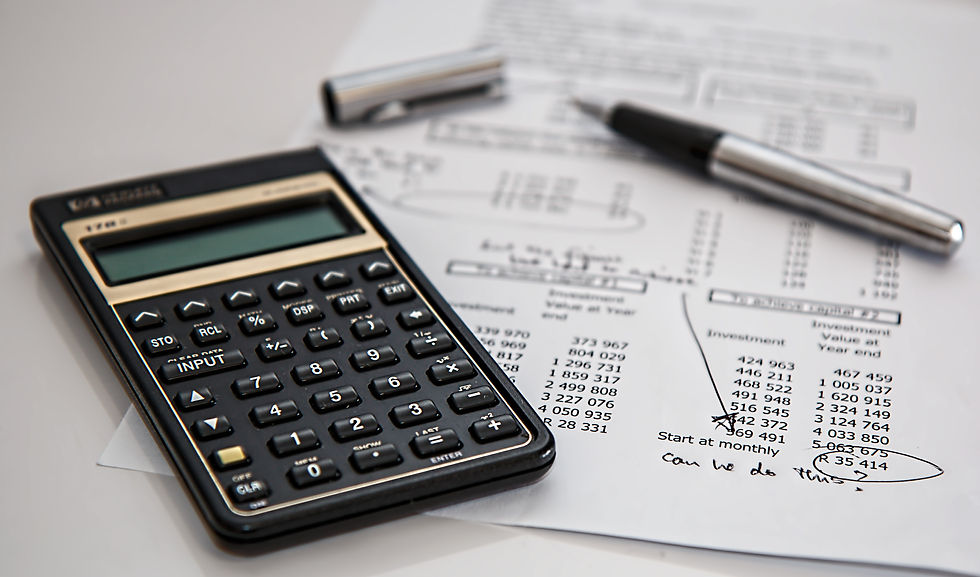
While the best things in life are free, the means by which you enjoy the best things are, most certainly, not free. Spending time with your parents who live across the state is absolutely free, however, the gas to travel there is not. Sight-seeing most state parks is free, but snacks or meals on your journey cost money. Going camping in the wilderness is free, but your tent and camping supplies can cost A LOT of money. Going on an adventure, living life to the fullest, or just getting away to take time for yourself is most definitely worth the effort that is put forth into your journey, however, there will always be some financial cost.
The reason we calculate travel expenses and other costs before our trips is, simply, to ensure we bring the proper amount of funds to cover our journey. By calculating the funds we will need, we remove many unexpected variables that may interfere with our adventures. Being financially prepared for our stops along the journey help ensure that we can experience the trip to the fullest, and thus, we get "the most bang for our buck".
When calculating the costs for your trip, take into account the following expenses:
Room and board
Fuel for your vehicle
Admission fees to any attractions you may want to visit
Meals, snacks, and drinks
Emergency funds to assist in case of an emergency; we briefly spoke about this in our article: "Next Time You Go Camping (Or On Vacation), Utilize These 10 Explorer Safety Tips To Stay Safe"
Once you have created your expenses list, calculate an additional 25% to help pad your budget in the event that prices have inflated by the time you go on your adventure, or an unexpected expense arises.
Step 6: DO IT!

What good are plans if you don't follow through with them? Without action, plans have no purpose what-so-ever, and serve only as thoughts of what you COULD be doing. Plans without actions are completely fruitless.
Follow the plans that you have just set for yourself. If your goal is to have an adventure, use your plans to go out and have fun. If you wish to just get away from it all and relax, then go out and leave your troubles behind for a while. Do not let your plans sit on a shelf and gather dust.
Don't let your planning and budgeting be for naught. Go out, follow your travel plans, and build some new life experiences and memories.
Planning an adventure can take time and effort, but it can be well worth the work. A good plan can be the difference between having a terrible or "ok" time, to having a great time. And now, thanks to this article, hopefully we have shed some light on how to properly plan a terrific journey for yourself, you and your family, or you and your friends (really, any combination of such people). And, it can be as simple as following these steps:
Pick a destination, as well as any side destinations on your route you wish to visit.
Plot a course that allows you to see all of your destinations on any individual trip that you wish to see.
Create a schedule for your event, which you can realistically stick to as closely as possible.
Gather a list of supplies that you may need for your journey, and purchase them.
Create a budget, and stick to it as closely as possible (don't forget to account for possibly inflated prices).
Go on your adventure; do not let your plans set on your office desk to gather dust.
Now that your plan is set, all there is left to do is follow the plan. Go out. Create memories with your friends or family, or just go on your own and create personal experiences. Whatever you decide to do, or whoever you decide to go with, just make sure to make the most out of this one life that you get.
This year, my wife and I will be planning quite a few trips, and as we do, we will be sharing our plans with you, our readers. We are setting the goal to camp in every Missouri state park that has camping facilities over the next 2 years, as well as visiting every Missouri state historic site (that's over 50 locations). We are also planning on doing more articles based in the three major cities of Missouri: St. Louis, Springfield, and Kansas City. Also, we will be doing reviews of restaurants, individual attractions, and other "travel relevant" subjects that we experience on our journeys. We will finally update and launch our "Adventure Map" feature on our website so you can see lists of plans that we actually used on our adventures, so that you may be able to follow a few paths we embarked upon.
Life can tend to be mundane, and it is too simple for everything to just "run together". While many of the reasons for this tends to be circumstances outside of our own control, we can claim some of the responsibility for becoming complacent. It is up to each individual to change the circumstances of their own life, and break the patterns everyday life.
It is up to you, and only you, to break the monotony of everyday life. You only have one life; live it.


Comments